


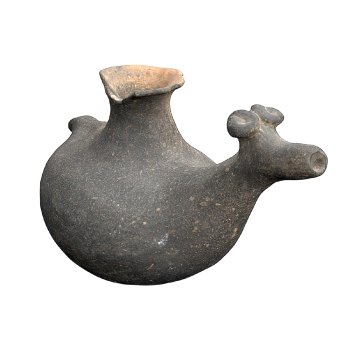
sheep-shaped pottery kettle
It is an antique artifact dating from the late Bronze Age to the Iron Age (c. 1350-800 BC), found mainly in western Iran (such as the Amrash or Malik cultural regions) and Mesopotamia. This unique animal-shaped pottery is likely to be used for ritual or religious purposes, such as drinking or pouring sacrificial drinks. The liquid is poured from the opening at the top and out through the drain at the mouth of the sheep. In ancient Near Eastern mythology, sheep were often associated with fertility, power, and auspiciousness, and the item may have had significant symbolic or status value in the societies of the time.
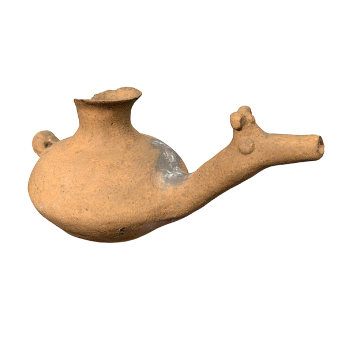
sheep-shaped pottery wine jug
It is a sheep-shaped pottery antique artifact dating from the Late Bronze Age to the Iron Age (c. 1350 BC to 800 BC), found mainly in western Iran (such as the Amrash or Malik cultural areas) and Mesopotamia. This unique animal-shaped pottery is likely to be used for ritual or religious purposes, such as drinking or pouring sacrificial drinks. The liquid is poured from the opening at the top and out through the drain at the mouth of the sheep. In ancient Near Eastern mythology, sheep were often associated with fertility, power, and auspiciousness, and the item may have had significant symbolic or status value in the societies of the time.

Iranian Minai Pottery Depicting Sitting King's Bowl
Mina' I ware is a very famous ceramic craft in Iran in the 12th century, famous for its exquisite decoration and rich painted patterns. This pottery combines the unique aesthetic of the Islamic world with superb craftsmanship and is used to show social status or religious stories. Minay pottery depicting the bowl of a seated king, 12th century AD, currently in the collection of the Minneapolis Institute of Art.

Iranian cultural heritage Minai pottery depicting bowls of a woman riding an elephant
This is a Minai pottery "Bowl depicting a woman riding an elephant", created in the 12th to 13th century AD, currently collected at the Minneapolis Institute of Art. Minai pottery, which originated in Iran, is a fine piece of medieval Persian ceramic art and is famous for its exquisite colorful decoration. This bowl depicts the scene of a woman riding on an elephant, showing the high integration of life and art. This work reflects the social style and artistic level of the time, and is an important material evidence for the study of medieval Islamic art and culture.

A Kashan pottery kettle in the shape of a ram
The "Ram shaped Kashan pottery kettle" is a 13th century Iranian artwork currently housed in the Minneapolis Museum of Art in the United States. This artwork is a water kettle shaped like a ram. This work is part of the Kashan pottery, using transparent turquoise colored glaze and black underglaze painted decoration. Although there are relatively few circular ceramic sculptures in Islamic art, decorative patterns were popular on metal and ceramic vessels in Iran and Türkiye during the Seljuk rule. The shape of a bull is the most common, but there are also vessels in the shape of camels, rams, and lions.

Blue glazed Kashan kettle
The blue glazed Kashan kettle is a 12th century Iranian Kashan pottery, currently housed in the Minneapolis Museum of Art in the United States. This work is a type of kettle, featuring a full body, birds, plants, and low relief calligraphic patterns. It is one of the few similar deep blue glazed vessels in the late Seljuk period of the Kashan workshop. Kashan pottery is a type of pottery from the Seljuk period in Iran (1038-1194). This period may be the most creative era in Persian pottery production. In addition to gold-plated vessels, minai vessels, and monochrome blue glaze, underglaze painted pottery was also produced.

A Kashan pottery kettle in the shape of a ram
The "Ram shaped Kashan pottery kettle" is a 13th century Iranian artwork currently housed in the Minneapolis Museum of Art in the United States. This artwork is a water kettle shaped like a ram. This work is part of the Kashan pottery, using transparent turquoise colored glaze and black underglaze painted decoration. Although there are relatively few circular ceramic sculptures in Islamic art, decorative patterns were popular on metal and ceramic vessels in Iran and Türkiye during the Seljuk rule. The shape of a bull is the most common, but there are also vessels in the shape of camels, rams, and lions.
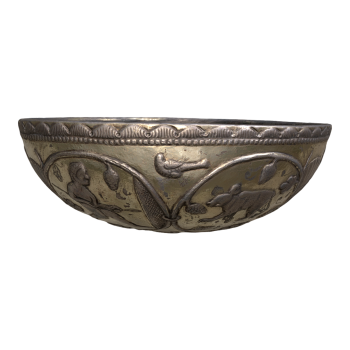
Silver Bowl from the Sassanid Dynasty
This bowl is a cultural relic from the Sassanid Dynasty (224-651 AD), originating from Iran. It is made of silver and has an overall size of 5 x 13.4 centimeters. The people of the Sassanid dynasty attached great importance to the enjoyment of life. It is said that a good Zoroastrian should divide his day into three parts: farming, philosophical thinking, and eating, resting, and enjoying. The abundance of luxury goods in the Sassanid dynasty proves their emphasis on the last part of life. This bowl is currently housed in the Cleveland Museum of Art in the United States.

Popular Models

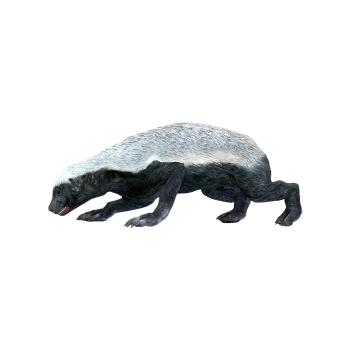
Honey Badger (3D animated model)
192 View
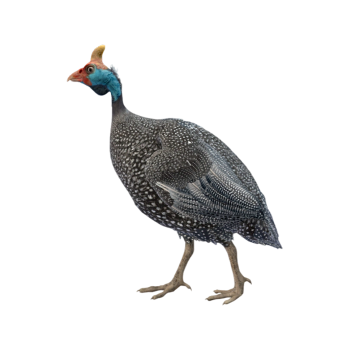
Guinea fowl (3D animated model)
163 View
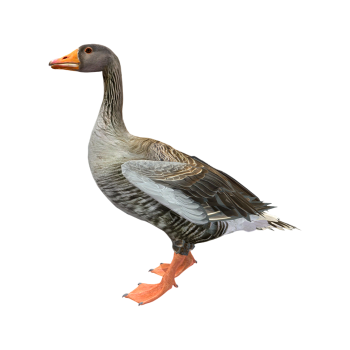
Wild Goose (3D animated model)
185 View
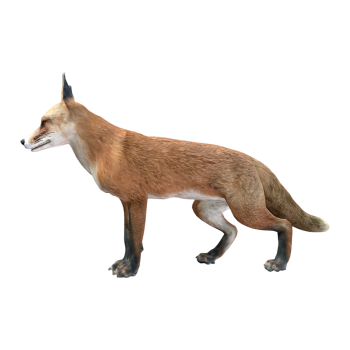
Red Fox (3D animated model)
153 View
Random Model

Coconut green
860 View

Philadelphia Liberty Bell, USA
1148 View
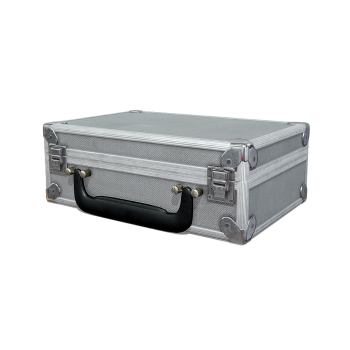
Aluminum alloy tool storage box
472 View

Specimen of spotted mullet
670 View


AJ3(Air Jordan) gray blue sneaker
741 View

Türkiye GunStalkerM906 simulation gun
1191 View


Rock cabbage
854 View
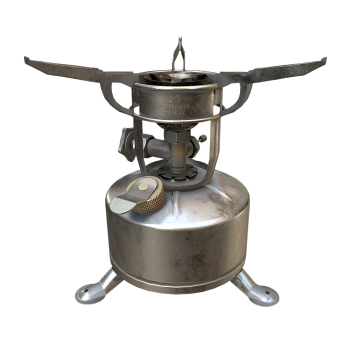
United States Army Field Furnace
374 View